Flood Control
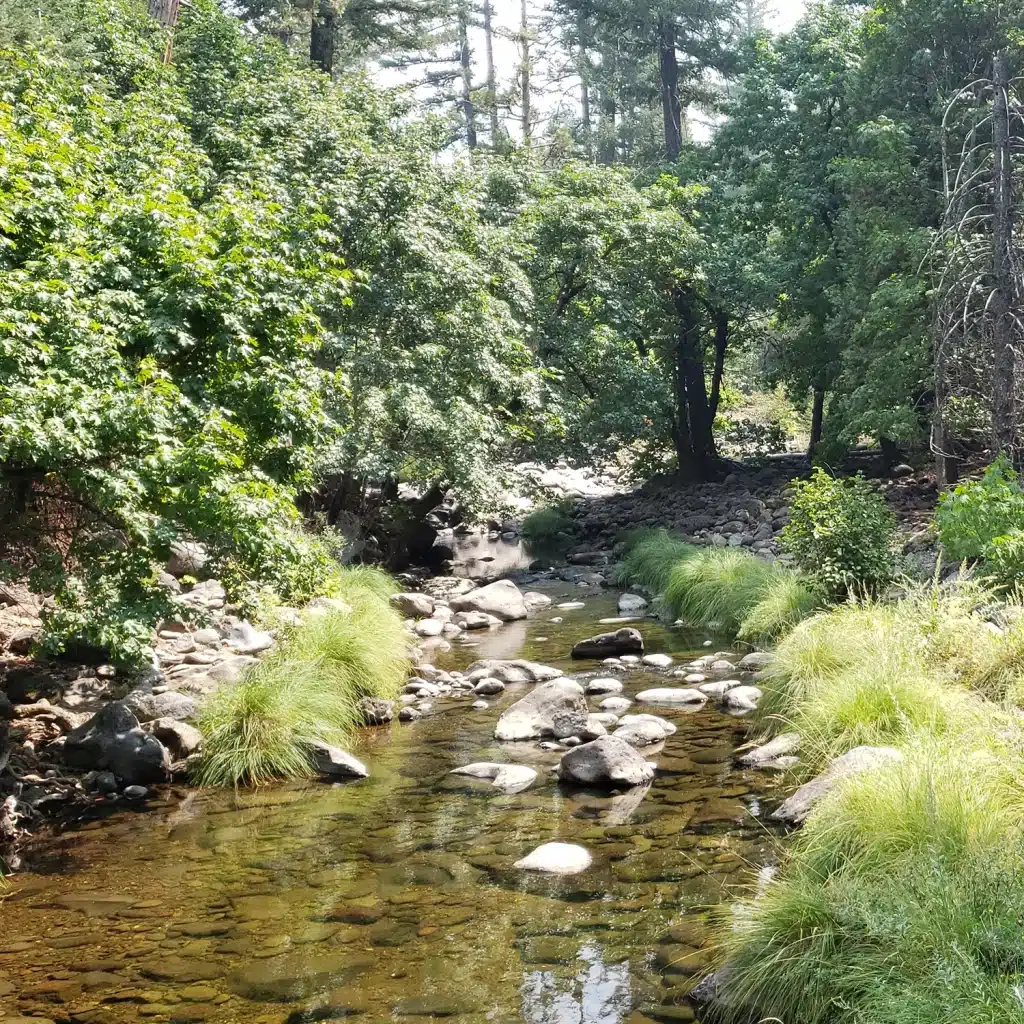
If your property has a drainage, creek or a waterway flowing through it, it is your responsibility to maintain it. Proper creek care helps prevent flooding, erosion and damage to your neighbors’ property.
Fact Sheet
Maintaining Creeks on Private Property in Tehama County
This document serves as a resource to help landowners understand what is required to maintain a creek on their private property in Tehama County.
Property Owners
If your property has a drainage, creek or a waterway flowing through it, it is your responsibility to maintain it.
Typically, private property extends to the center of the creek, and not just to the fence line. A creek or drainage may also be entirely within your property.
Flood Control & Water Conservation District
Does not maintain waterways on private property.
Tehama County
Only maintains waterways within its right of way.
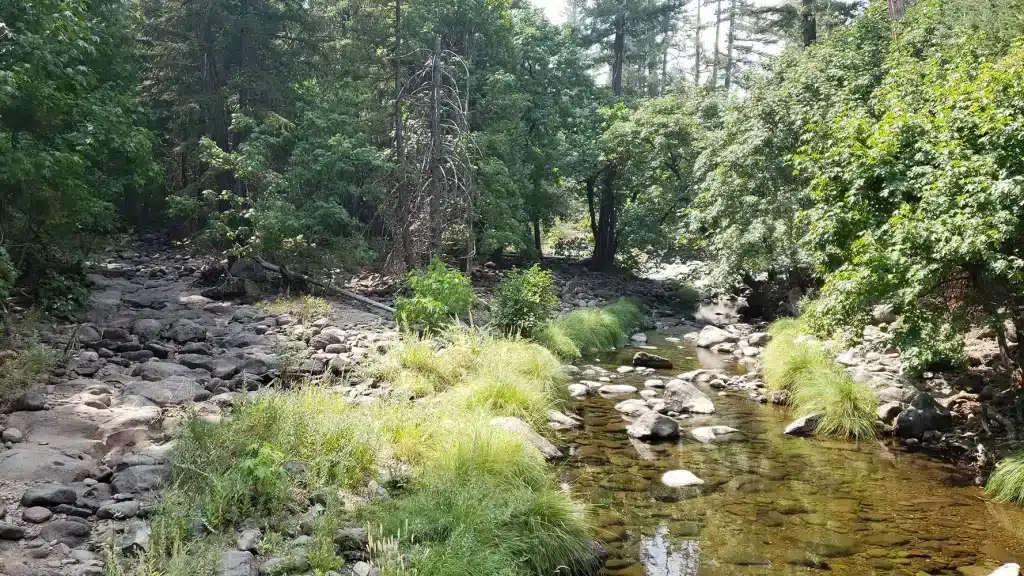
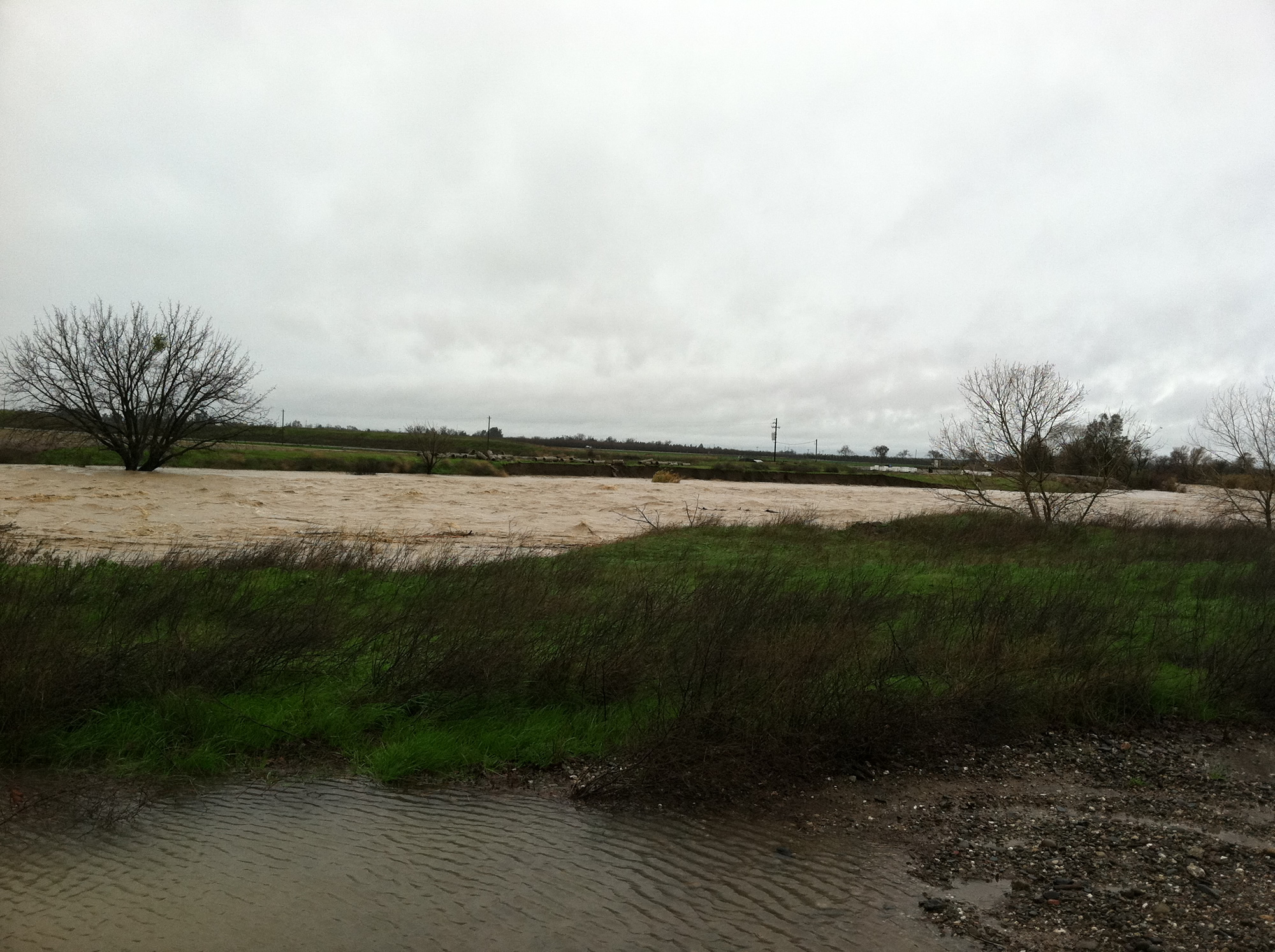
When the creek area is not properly maintained, the resulting obstructions can lead to increased flooding, changes in the course of the creek, and increased erosion.
Proper Creek Care
01
Remove blockages, whether natural or man-made, that could cause flooding.
02
Keep banks vegetated (but not choked) to prevent erosion.
03
Prevent pollutants from entering waterways.
04
Remove trash, even if it originated upstream from your property.
Any work in creeks and drainages has strict rules to prevent damage upstream and downstream from your property. See when you need a permit before you start.
Know Your Responsibilities
As a property owner, you are legally responsible for damages to adjacent property that result from neglect or unpermitted activities on your property.
You are also responsible for the actions of your employees, gardeners, landscapers, maintenance workers and contractors.
It is against the law to block drainages or cause discharges of pollutants (including soil, rocks and vegetation waste) to creeks and waterways.
Permits
Work in or near a creek or drainage may need approval from one or more agencies before you start.
California Department of Fish and Wildlife
Fish and Game Code section 1602 requires any person, state or local governmental agency, or public utility to notify the California Department of Fish and Wildlife (CDFW) prior to beginning any activity that may do one or more of the following:
Please note that “any river, stream, or lake” includes those that are dry for periods of time as well as those that flow year-round. If you are not certain a particular activity requires notification, CDFW recommends you notify.
A Lake and Streambed Alteration (LSA) Agreement is required when a project activity may substantially adversely affect fish and wildlife resources.
U.S. Army Corps of Engineers
Any person, firm, or agency (including Federal, state, and local government agencies) planning to work in navigable waters of the United States, or discharge (dump, place, deposit) dredged or fill material in waters of the United States, including wetlands, must first obtain a permit from the Corps of Engineers.
Permits, licenses, variances, or similar authorization may also be required by other Federal, state and local statutes.
Tehama County Public Works
Anytime the movement of soil or rock could affect drainage, waterways or creeks you will likely need a grading permit from the County.
District Recommendations
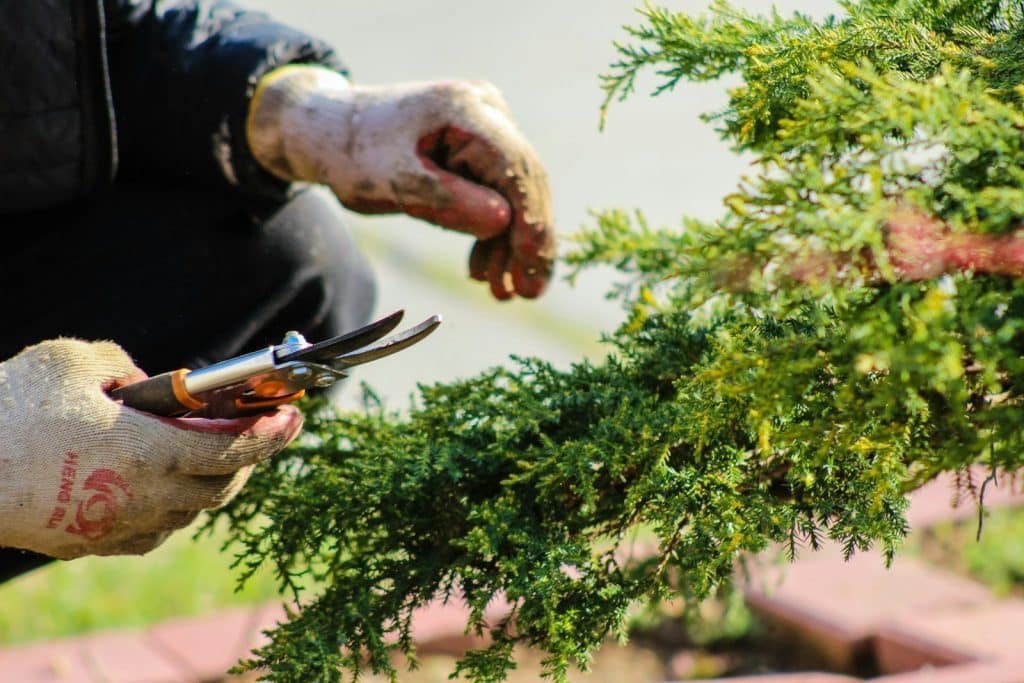
Flood Control and Water Conservation District recommendations for maintaining your drainage, creek or waterway:
Resources
Questions about a creek, drainage or permit? Contact the agency that matches your project.
Read the announcement: Maintaining Creeks on Private Property in Tehama County – Fact Sheet